The definitive comparison
Vegan vs Vegetarian:
The Complete Comparison (2026)
Vegetarians do not eat meat. Vegans do not eat any animal products: no dairy, no eggs, no honey. That single difference has wide-ranging implications for health, cost, environment, and daily life.
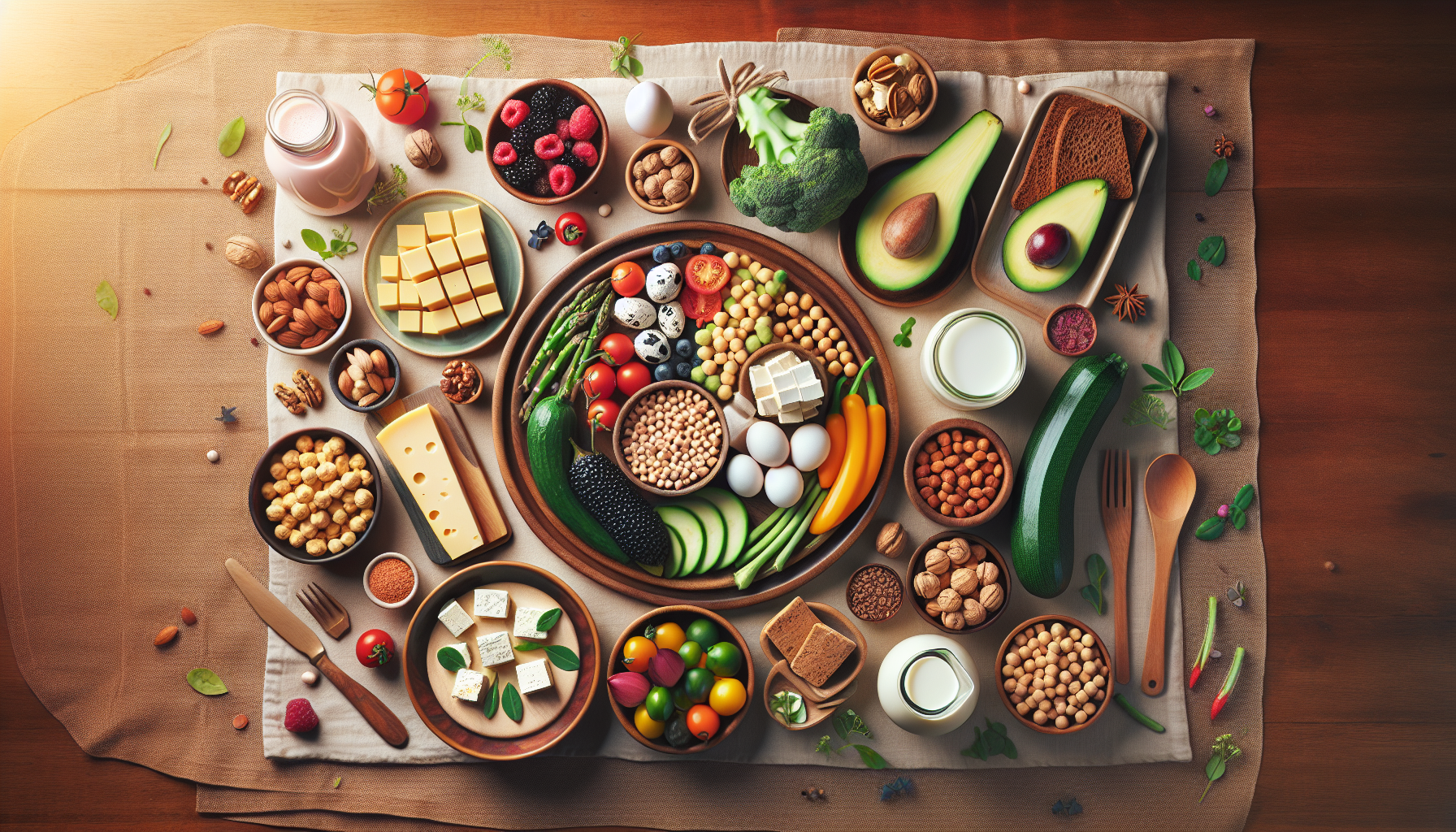
The plant-based spectrum
It Is Not Binary -- It Is a Spectrum
Most people think of vegan and vegetarian as two fixed options. In reality, plant-based eating is a spectrum with many positions. Most people do not jump from omnivore to vegan -- they move along the spectrum gradually.
For a full breakdown of each diet type, what it allows, and who it suits, see our Types of Vegetarian guide.
Six dimensions
How Vegan and Vegetarian Compare
The differences between vegan and vegetarian go beyond what you eat. Here is a summary across the six dimensions that matter most.
Health
Slightly better outcomes for heart disease and type 2 diabetes in large cohort studies. B12 supplementation required.
Strong health benefits vs omnivore. B12 available from dairy and eggs. More dietary flexibility.
Cost
Whole-food vegan: $200-300/month. The cheapest diet when built around beans, lentils, and grains.
Standard vegetarian: $300-450/month. Dairy and eggs add cost but provide convenient nutrition.
Environment
75% lower greenhouse gas emissions than high-meat diets. Dairy farming is a major emissions contributor.
Better than omnivore, but dairy and egg production carry meaningful environmental costs.
Protein
Achievable with planning. Tofu, tempeh, legumes, seitan. Athletes may need protein tracking.
Easier via eggs and dairy. Greek yogurt, eggs, and cheese provide high-quality complete protein.
Ethics
Extends beyond diet to clothing, cosmetics, entertainment. Minimises all forms of animal exploitation.
Avoids killing animals for food but does not fully address dairy and egg industry practices.
Practicality
More challenging socially and in restaurants. Requires more label-reading and planning.
Much easier to maintain socially. Most restaurants have vegetarian options. No label anxiety.
Which diet is right for you?
A Simple Decision Framework
Ready to make the switch? Our practical transition guide has a month-by-month plan, kitchen staples list, and social scripts for every situation.
11 deep-dive guides
Every Angle Covered
Every competitor on this topic is a single article within a larger health site. This is a dedicated hub with 11 specialist pages, each targeting a specific question people actually search for.
62% lower diabetes risk for vegans. How do the two diets compare on heart disease, BMI, and cancer?
See the research →Whole-food vegan: $200-300/month. Vegetarian: $300-450. Where do the costs really differ?
See the numbers →Vegan diets produce 75% fewer greenhouse gas emissions. What does the 2023 Nature Food data say?
See the data →25+ plant foods with protein per serving, cost per 20g, and complete amino acid profile.
See the protein guide →Flexitarian, pescatarian, lacto, ovo, vegan. What can each diet eat? Full food matrix.
See all types →Month-by-month transition plan, kitchen staples list, 10 common mistakes, and social scripts.
Start your journey →Full 7-day vegan and vegetarian meal plans with grocery lists and batch cooking guides.
See meal plans →What to order at 15 major chain restaurants. Ethnic cuisine guide. Travelling tips.
See restaurant guide →20 elite vegan athletes across sports. Protein timing, creatine, and performance research.
See athlete profiles →Utilitarian, rights-based, and environmental frameworks. The dairy and egg question explored honestly.
Explore the ethics →Expert-backed guidance on raising healthy plant-based children, age-by-age nutrient guide.
See family guide →Common questions
Frequently Asked Questions
Is vegan and vegetarian the same thing?
Which is healthier: vegan or vegetarian?
Is a vegan diet more expensive than vegetarian?
Do vegans get enough protein?
What is the environmental impact difference between vegan and vegetarian?
What are the different types of vegetarian?
Should I go vegan or vegetarian first?
Is a vegan diet safe for children?
Sources: Health data from the Adventist Health Study-2 (2013) and EPIC-Oxford cohort. Environmental data from Scarborough et al., 2023 Nature Food. Cost data from USDA ERS Food Expenditure Series. Protein data from USDA FoodData Central. Updated April 2026.